


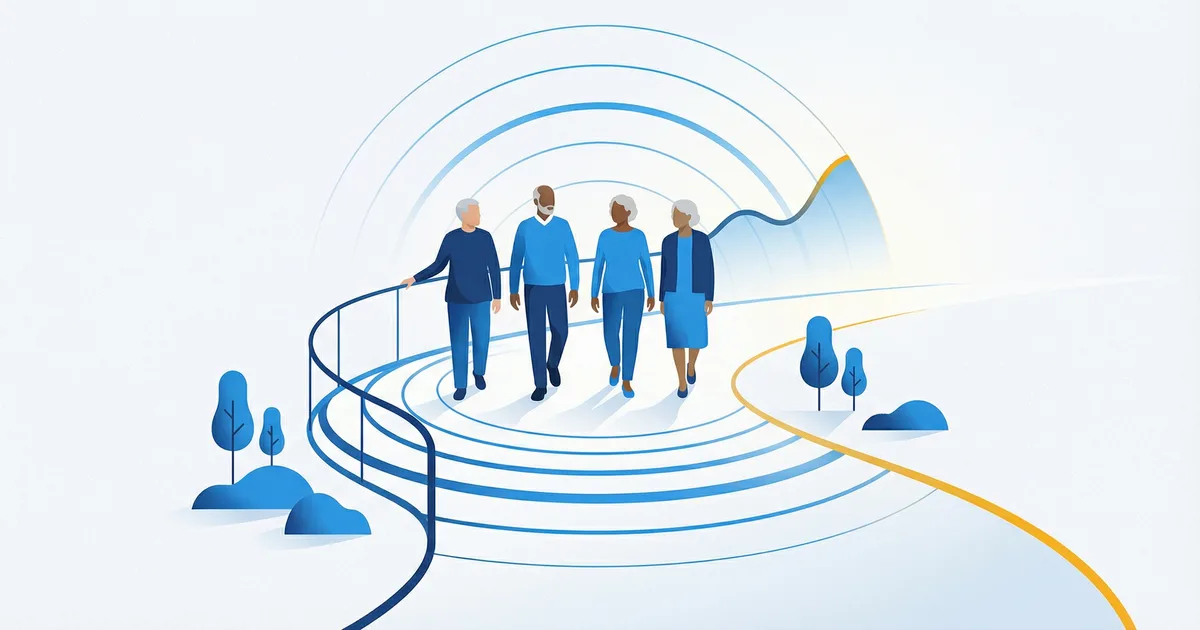
Medicine and healthcare are increasingly recognizing that poor balance is an under-recognized and under-treated pandemic negatively impacting well-being and shortening human lives.
Falls are Frequent, and Lead to Injuries
According to the Centers for Disease Control and Prevention (CDC), more than one in four adults aged 65 and older will experience a fall each year1. These aren't just minor stumbles; falls are the leading cause of both fatal and non-fatal injuries in this age group. In 2019 alone, falls among older adults resulted in over 34,000 deaths and 3 million emergency department visits in the US1. The ripple effects are profound—fractures, traumatic brain injuries, loss of independence, and a decline in quality of life.
The Impact on Well-being and Longevity
The consequences of impaired balance extend beyond physical injuries. Falls can lead to a fear of falling, resulting in reduced activity levels and social isolation. This, in turn, can accelerate physical decline and mental health issues like depression and anxiety. The financial burden is also substantial; the CDC estimates that falls among older adults cost the U.S. healthcare system about $50 billion annually2.
The Under-recognition of the Problem
Despite these staggering numbers, balance issues often remain underdiagnosed and undertreated. Many older adults don't discuss their falls with healthcare providers, sometimes out of embarrassment or the misconception that falling is a normal part of aging1. This silence hinders preventative measures that could safeguard their well-being.
New research is demonstrating that balance may affect longevity more than diet, exercise, or blood pressure control. If you're over 50 years old, your risk of death is 4x higher if you can't stand on one leg for 10 seconds, compared to someone who can3. That's over a 17% risk of death over 7 years3.
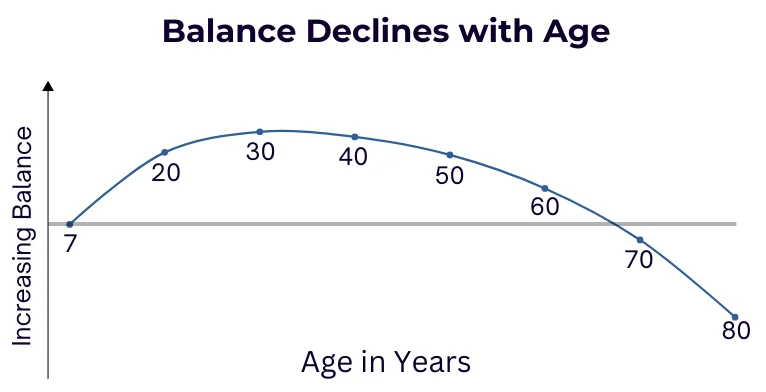 Figure 1: Adapted data from "Lifespan Changes in Postural Control" by Van Humbeeck et al in Nature, 2023
The decline starts earlier than most realize. Research by Van Humbeeck et al published in Nature shows that postural control begins deteriorating in our 40s, with measurable declines in balance performance occurring decades before most people notice problems4. This gradual decline affects multiple aspects of balance, including reaction time, stability, and recovery from perturbations.
Figure 1: Adapted data from "Lifespan Changes in Postural Control" by Van Humbeeck et al in Nature, 2023
The decline starts earlier than most realize. Research by Van Humbeeck et al published in Nature shows that postural control begins deteriorating in our 40s, with measurable declines in balance performance occurring decades before most people notice problems4. This gradual decline affects multiple aspects of balance, including reaction time, stability, and recovery from perturbations.
Addressing the Balance Pandemic
Understanding the multifaceted nature of balance is the first step toward mitigating this hidden crisis. The good news is that research proves that you can improve your balance. Interventions can target specific components:
1. Vestibular Rehabilitation
Specialized exercises can help recalibrate the vestibular system, reducing dizziness and improving stability5.
2. CNS Engagement
Activities that challenge coordination and cognitive function, such as tai chi and dance, can enhance the CNS's ability to process sensory information6.
3. Proprioceptive Training
Balance exercises, like standing on one leg or using wobble boards, can sharpen proprioceptive feedback7.
4. Muscle Strengthening
Resistance and strength training fortify the muscles essential for balance, particularly in the legs and core8.
5. Vision Care
Regular eye exams and appropriate corrective lenses can ensure that vision effectively contributes to balance.
6. Medication Review
Healthcare providers should regularly assess medications for side effects that may impair balance, adjusting prescriptions as necessary9.
A Call to Action
Healthcare professionals, patients, and caregivers must recognize balance impairment as a significant health concern—not an inevitable consequence of aging. Proactive measures can make a substantial difference. The CDC recommends several evidence-based interventions, such as the STEADI (Stopping Elderly Accidents, Deaths & Injuries) initiative, which provides resources for fall prevention10.
However, research demonstrates that balance starts declining in our 40s, and so training your balance to be better, regardless of age, can help slow or potentially reverse some declines. It's never too early to start training your balance. Implementing small changes, such as trying to stand on one foot while brushing your teeth, can have profound impacts on your life long-term.
Personal Stories: The Human Side of Statistics
Consider Margaret, a 72-year-old retired teacher who loved gardening. A minor fall resulted in a hip fracture, leading to surgery and months of rehabilitation. The physical pain was compounded by a loss of independence and confidence. Stories like Margaret's are far too common but often remain untold. But while Margaret's story is one of a temporary setback, for which she is fortunate, as about 20% of people who have a hip fracture die within 1 year, despite great medical advances and medical care11.
Conclusion: Balancing for a Better Future
The balance problem is a silent pandemic with far-reaching implications for well-being and longevity. By acknowledging the complexity of balance and the factors that influence it, we can implement strategies to reduce falls and their devastating consequences.
Investing in balance training and fall prevention is not just about adding years to life but adding life to years. It's about ensuring that individuals like Margaret can continue to engage in the activities they love, maintaining independence and quality of life.
Ready to take control of your balance health? Start with one small, safe balance habit today—then repeat it tomorrow. Consistency beats intensity.