

6 Body Systems Critical for Balance
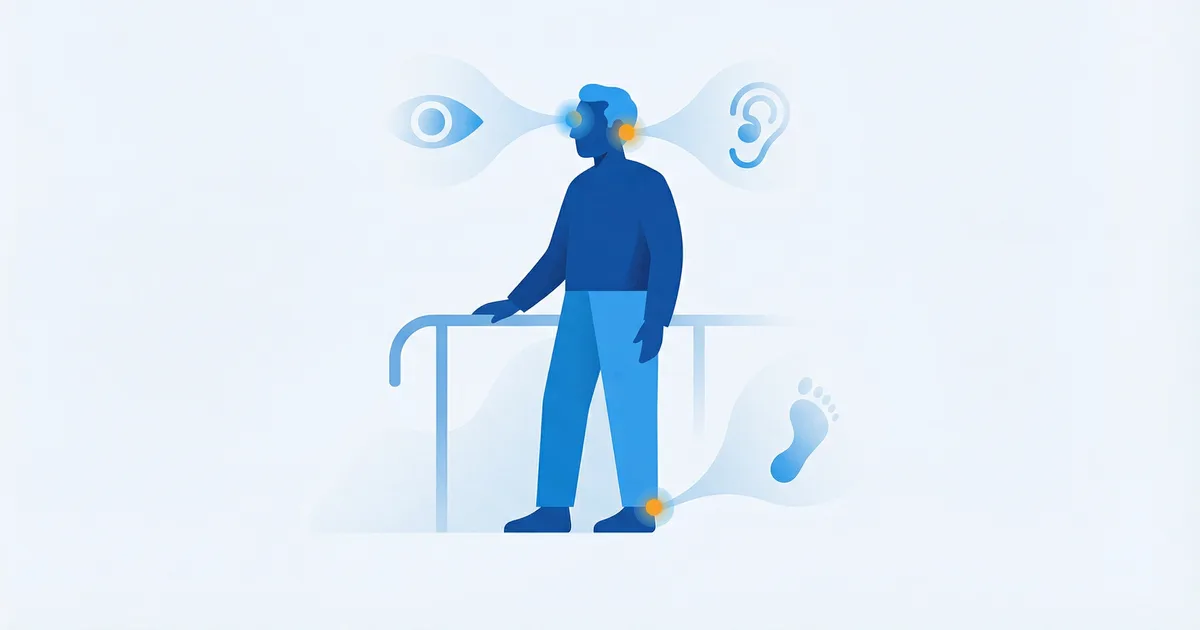
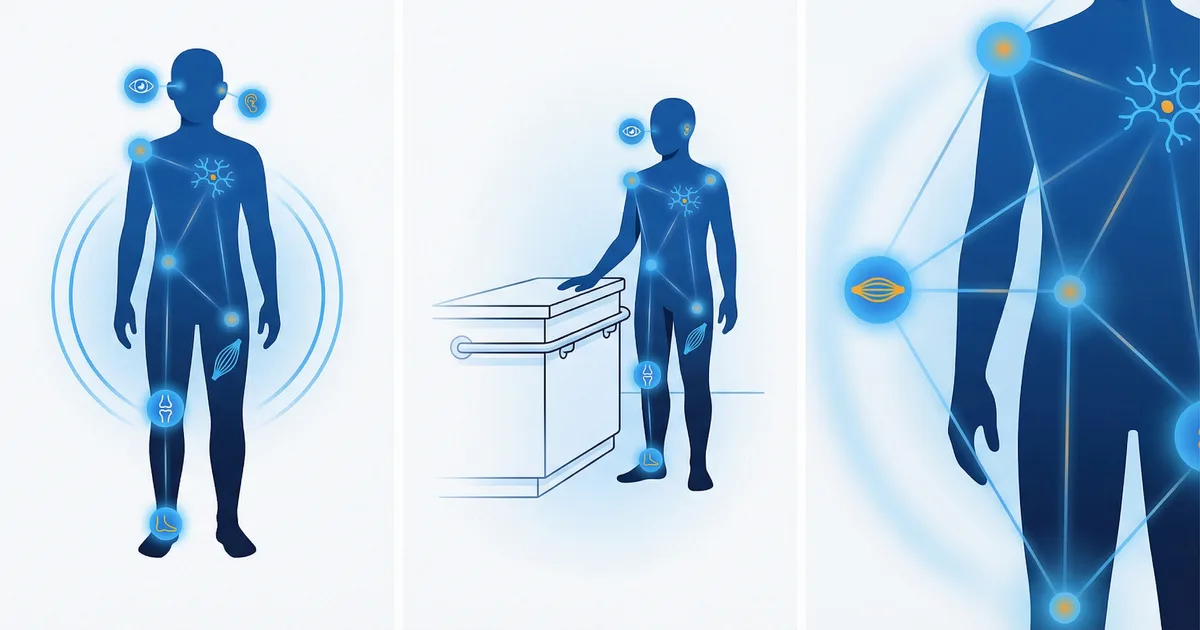
Balance is something most of us take for granted until it's lost. But what exactly allows us to stand, walk, and move without falling? The answer lies in a complex interplay of six critical body systems.
Expert-backed guides, exercises, and insights to help you improve your balance, prevent falls, and maintain your independence as you age.

Balance is something most of us take for granted until it's lost. But what exactly allows us to stand, walk, and move without falling? The answer lies in a complex interplay of six critical body systems.

Balance is making headlines—from the one-leg test to fall prevention tech. Here's a curated reading list with our take on each piece, plus a simple, safe starter plan.

A simple test of sitting down and standing up from the floor—without support—predicted over a 5-fold difference in mortality risk in a landmark study. Here's how to try it safely and what your score means.

Balance is something most of us take for granted until it's lost. But what exactly allows us to stand, walk, and move without falling? The answer lies in a complex interplay of six critical body systems.

Proprioception is your body's built-in sense of position—like an internal GPS. Learn what it is, why it matters for balance, and simple ways to train it safely.

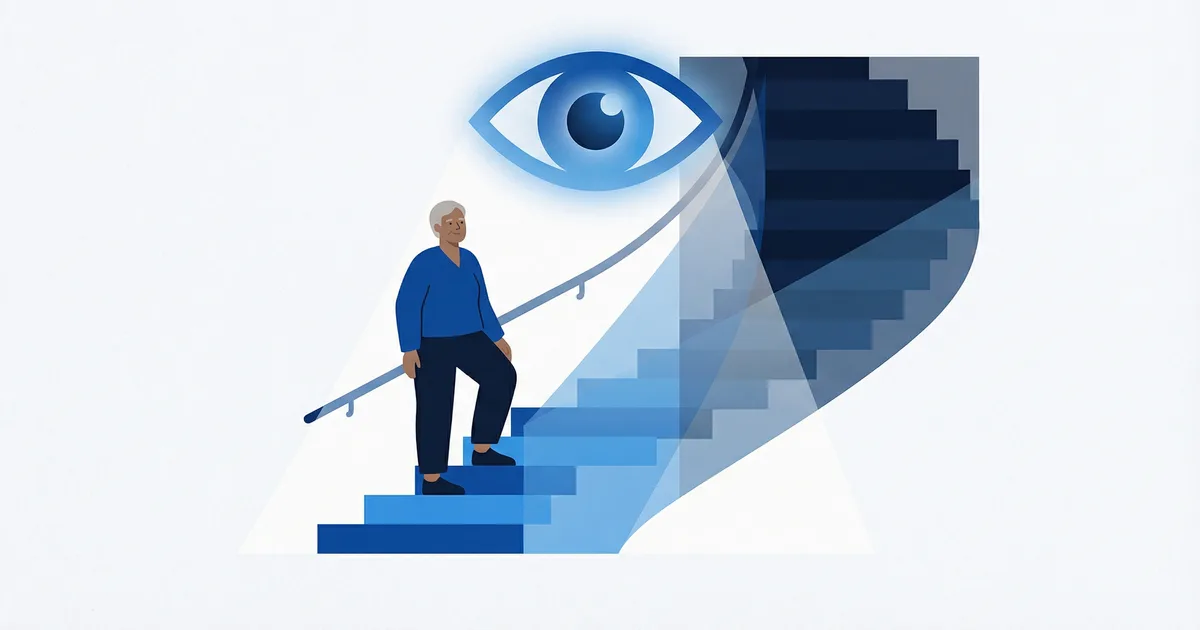
Your balance isn’t just “strong legs.” Your eyes quietly do a huge part of the work—especially in dim light, on stairs, and on busy floors. Here’s why, and what to do about it.

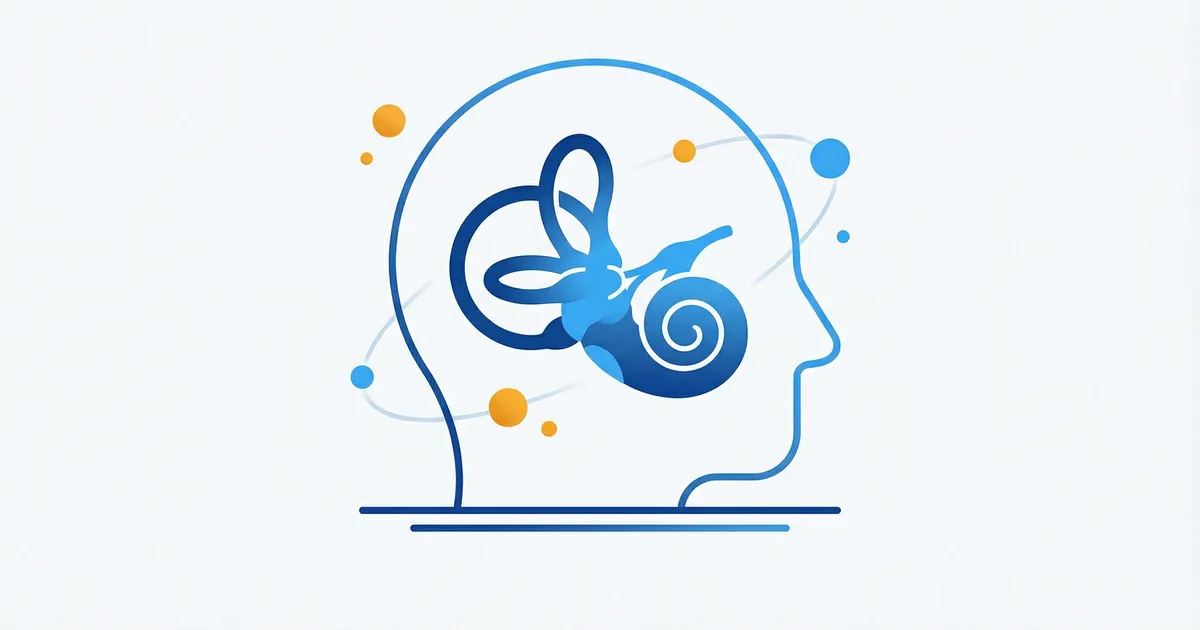
Your inner ear isn’t just for hearing—it’s your built-in motion sensor. Learn how the vestibular system affects balance (and what to do if it feels “off”).

Balance decline isn't just a normal part of aging – it's a complex process involving multiple body systems. Learn why balance changes happen and what you can do about it.

Medicine and healthcare are increasingly recognizing that poor balance is an under-recognized and under-treated pandemic negatively impacting well-being and shortening human lives.

Balance is making headlines—from the one-leg test to fall prevention tech. Here's a curated reading list with our take on each piece, plus a simple, safe starter plan.

Some balance changes are a normal part of aging. Others are urgent warning signs. Here's how to tell the difference—and when to call a doctor.

You don’t need intense workouts to support your mood. Balance training may help—and it can make you steadier, too.

Longevity isn’t one hack—it’s a stack of small habits. Here’s a science-informed, older-adult-friendly guide to living longer (and better).

Feeling dizzy or unsteady? Some common medications (and OTC “PM” products) can affect balance. Here’s what to watch for and what to ask next.

Your birth certificate tells one story. Your balance, walking speed, and strength tell another. Learn what “biologic age” really means—and how to use it without getting overwhelmed.

Balance training looks like a leg skill, but it’s also a brain skill. Here’s what research suggests about balance, cognition, and healthy aging—plus a safe way to start.

For clinicians and physical therapists: poor balance drives downstream utilization, functional decline, caregiver burden, and avoidable loss of independence—often before the first major fall.

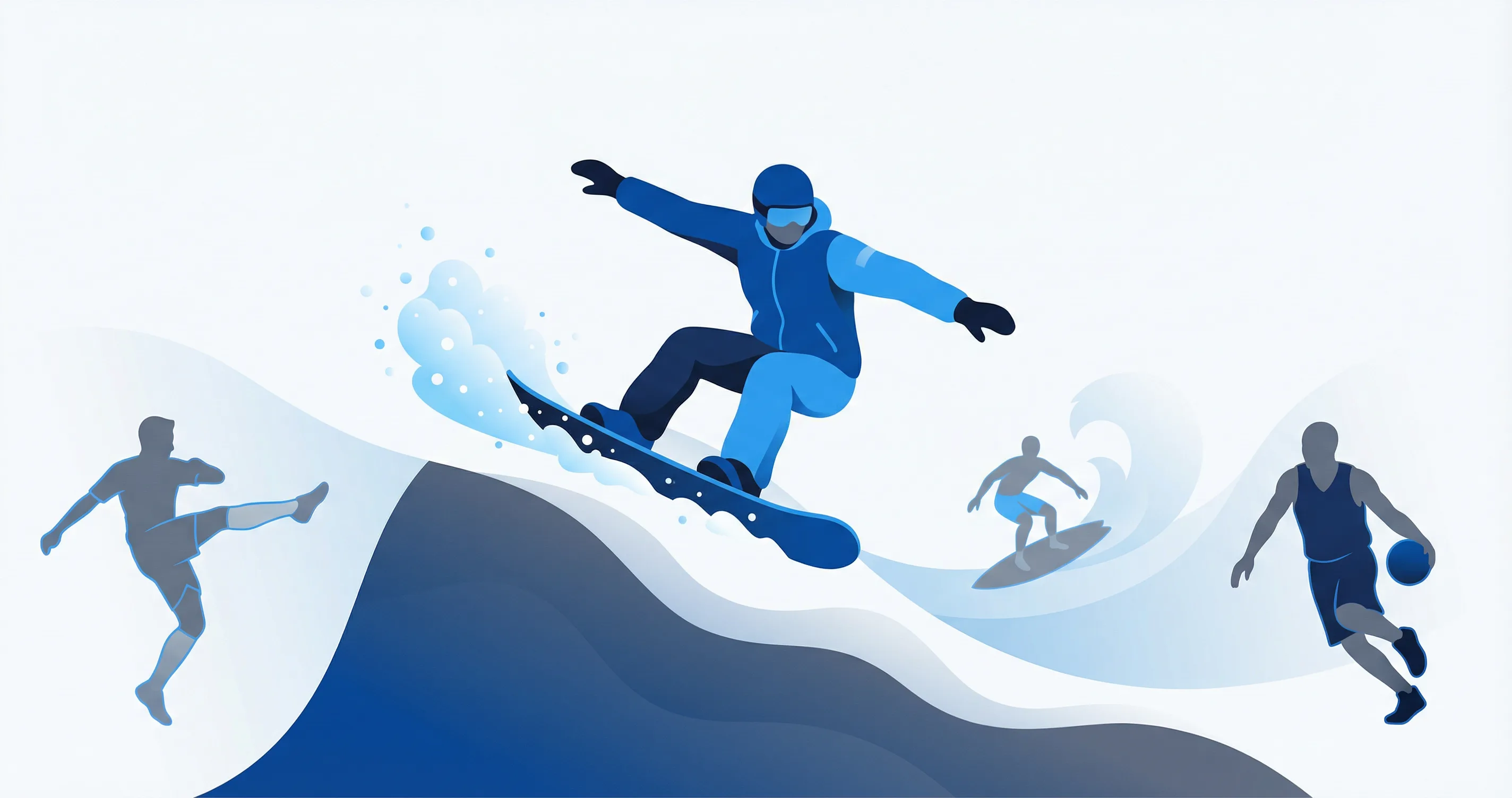
From snowboard edge control to soccer agility, balance is the skill behind the skill. Here's what the research says about balance training as a performance multiplier—and a protocol to start.

A 2022 meta-analysis found that balance training alone cut ankle injuries by 42% in soccer players. Here's what the research says—and how any athlete can start.

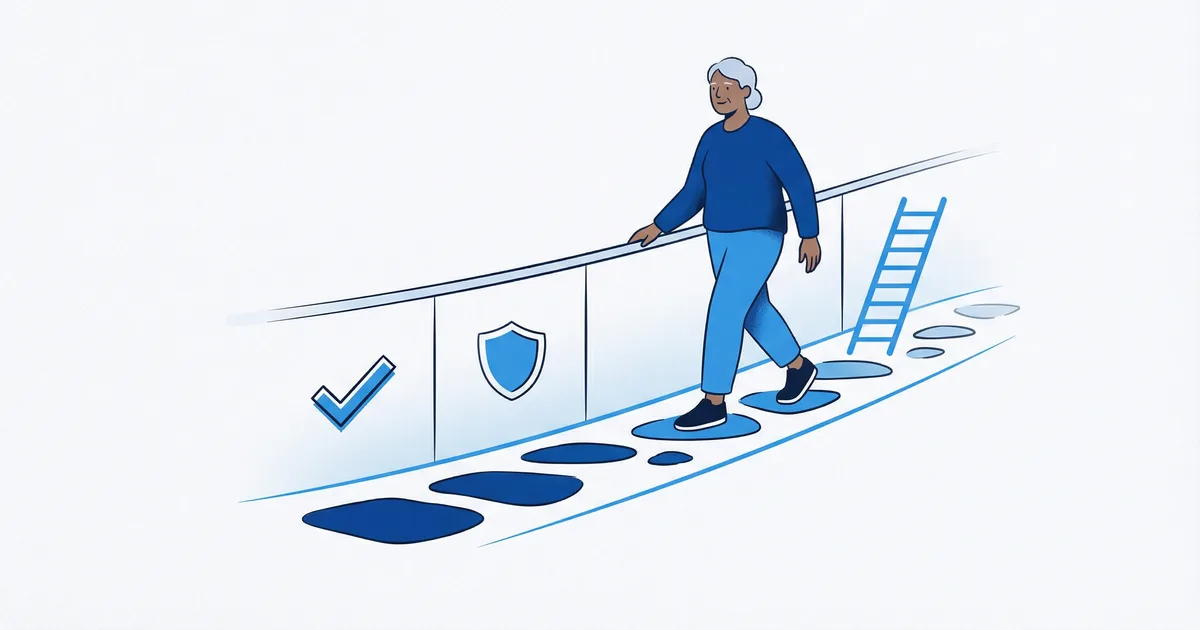
Master balance training with this comprehensive guide designed specifically for adults 65+. Get step-by-step exercise programs, safety protocols, and expert strategies to improve your stability and confidence.

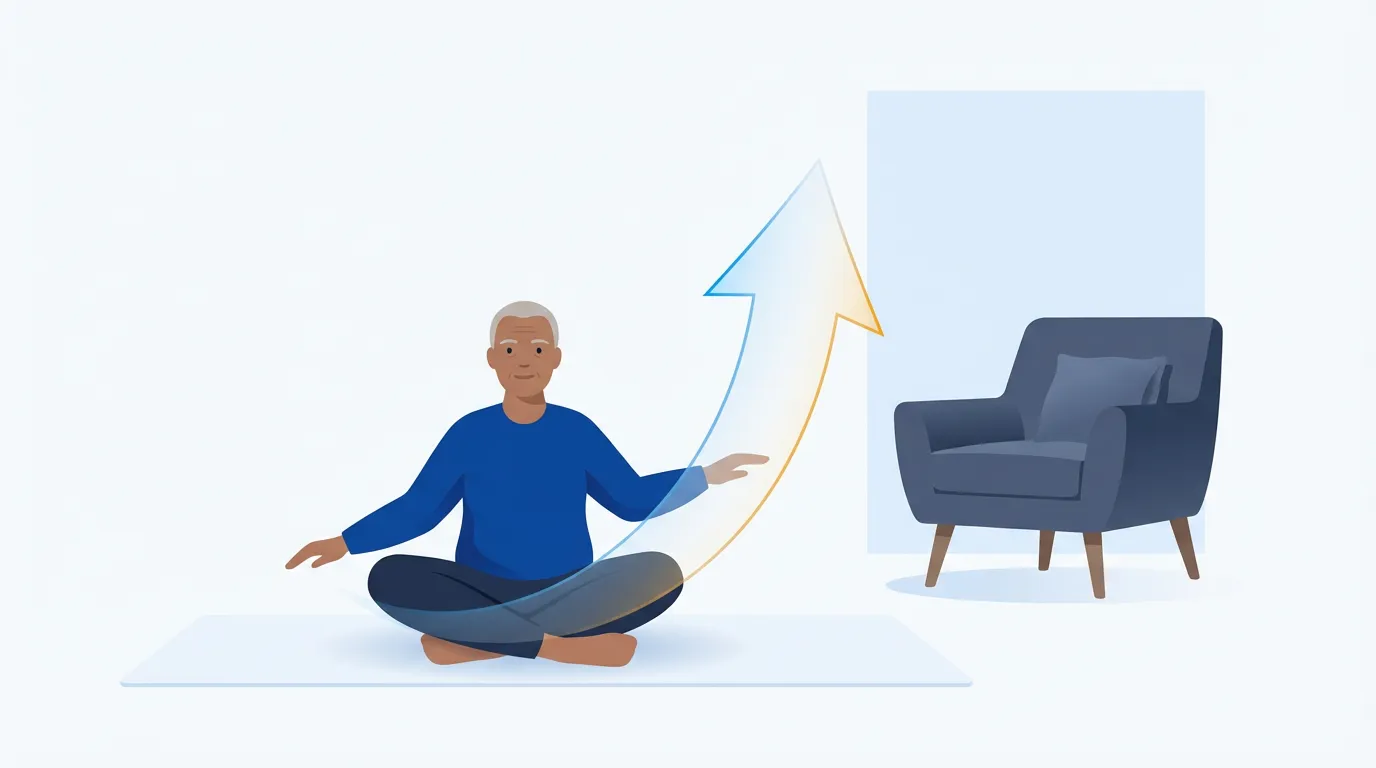
A simple test of sitting down and standing up from the floor—without support—predicted over a 5-fold difference in mortality risk in a landmark study. Here's how to try it safely and what your score means.

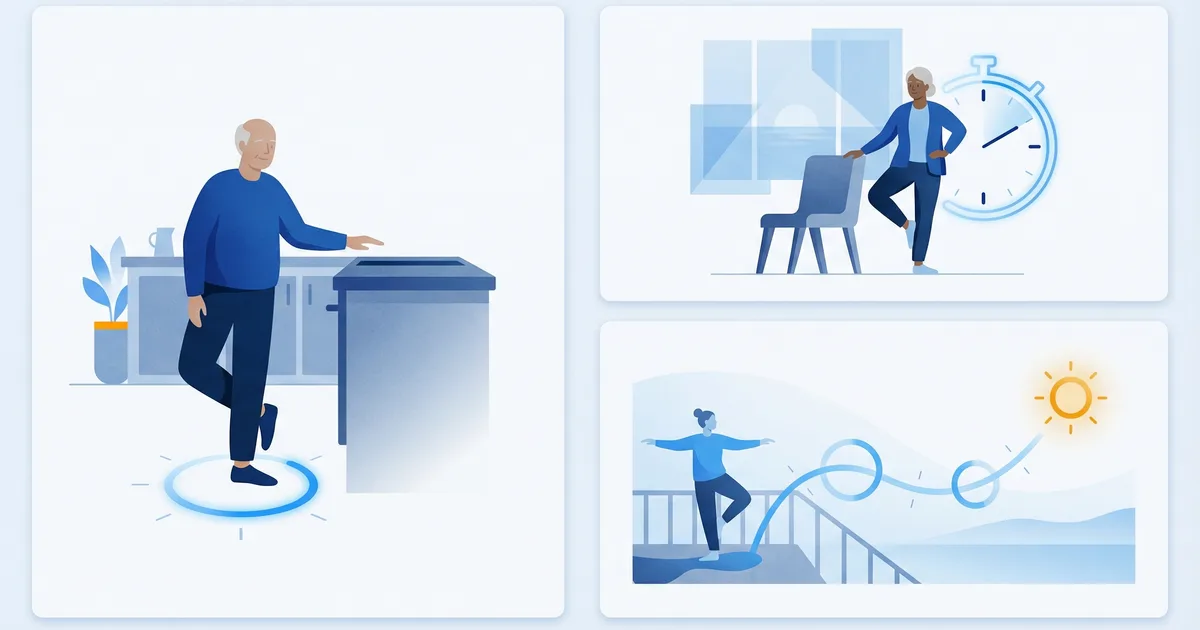
In a major 2022 study, adults who couldn’t balance on one leg for 10 seconds had a much higher risk of death over follow-up. Here’s how to try the test safely—and what to do next.

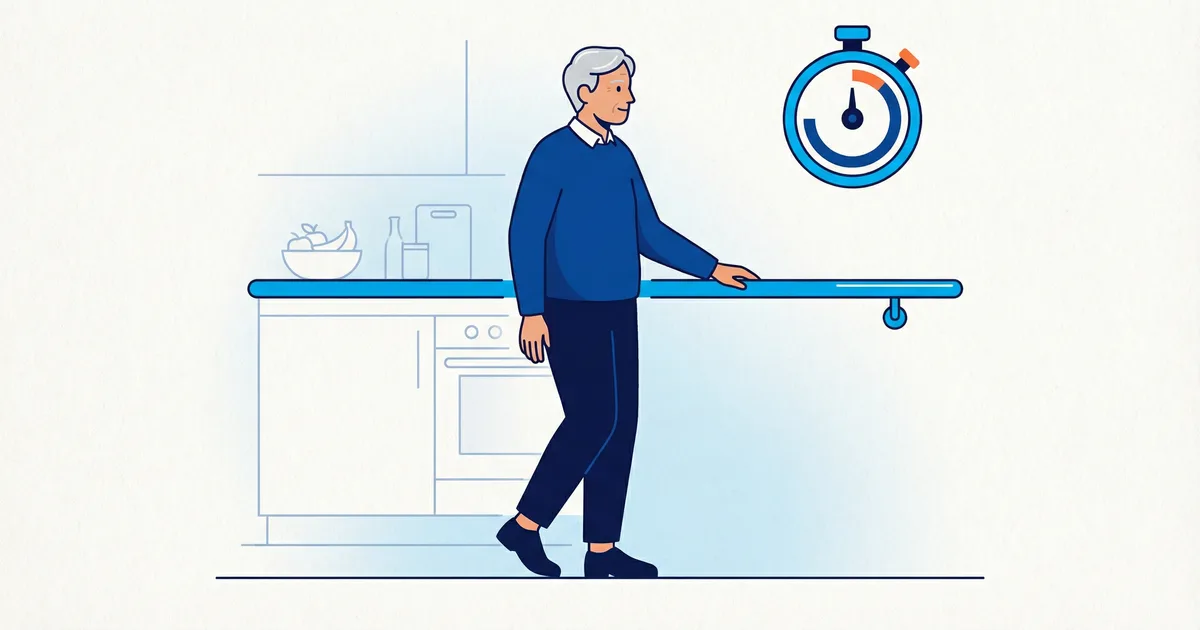
Early detection of balance problems can prevent falls and injuries. Learn five simple tests you can perform at home to assess your balance and understand when to seek professional help.

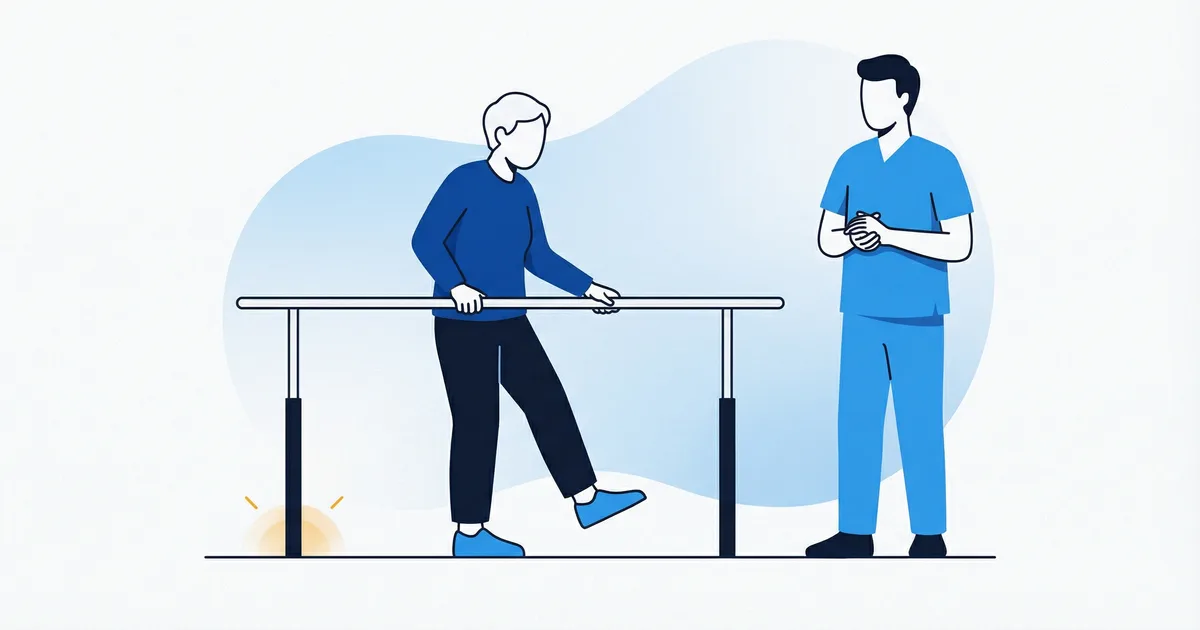
After a stroke, balance can feel wobbly, uneven, or unpredictable. Here’s why that happens, what rehab focuses on, and how to practice safely.
Get personalized balance training programs, real-time feedback, and track your progress with our SteadyUp app.
Download SteadyUp (Free)